Full Stack Developer vs. DevOps Engineer: Key Differences Explained
In today’s software development landscape, two roles often stand out for their importance: Full Stack Developers and DevOps Engineers. While both are essential to building and delivering modern applications, they focus on very different aspects of the development process.
This article will help you understand the distinctions between these roles, their responsibilities, and the skills required to succeed in each, so you can make an informed decision about your career path in tech.
1) Full Stack Developer
A Full Stack Developer handles both the front-end and back-end of web applications, managing the complete development process—from designing user interfaces to building server-side logic.
Key aspects of a Full Stack Developer:
- Versatility: Full Stack Developers can work across multiple layers of an application, bridging the gap between front-end and back-end teams.
- Front-End Expertise: They are skilled in front-end technologies like HTML, CSS, and JavaScript, allowing them to create responsive and visually appealing interfaces.
- Back-End Expertise: With knowledge of back-end languages like Node.js, Python, Java, or Ruby on Rails, they build robust server-side logic that connects seamlessly with the front-end.
- Database Management: Full Stack Developers understand databases such as MySQL, MongoDB, and PostgreSQL, enabling effective data storage and retrieval.
- Holistic Approach: Their ability to oversee the entire development process ensures smoother project flow and minimizes miscommunication between different development stages.
2) DevOps Engineer
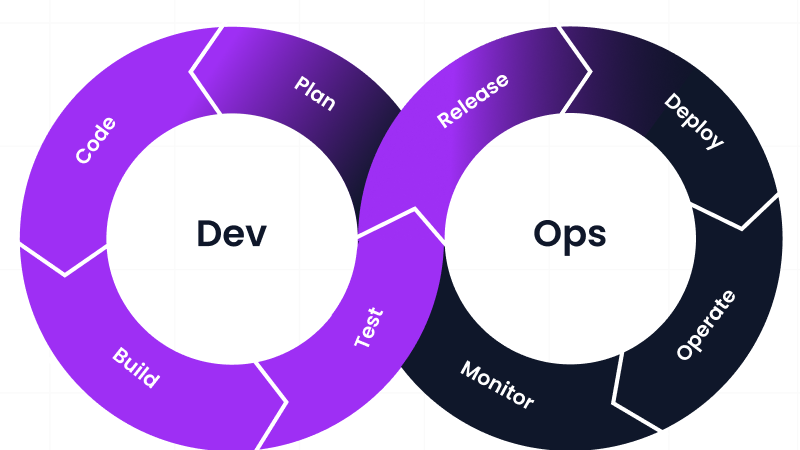
A DevOps Engineer focuses on the deployment, delivery, and integration of software. They ensure that applications run smoothly and efficiently by managing the infrastructure, automating processes, and improving collaboration across teams.
Key aspects of a DevOps Engineer:
- System Administration: They have deep knowledge of servers, configuration, and troubleshooting to maintain reliable systems.
- Cloud Computing Expertise: Familiarity with cloud platforms such as AWS, Azure, and Google Cloud is essential for deploying scalable applications.
- Automation Skills: DevOps Engineers use tools like Docker, Kubernetes, and Ansible to automate workflows and improve efficiency.
- CI/CD Knowledge: They implement Continuous Integration and Continuous Delivery (CI/CD) using tools like Jenkins, Travis, or Bamboo for faster and safer software releases.
- Collaboration & Communication: Working closely with developers, QA teams, and IT staff, DevOps Engineers ensure smooth coordination and deployment.
Conclusion
While both Full Stack Developers and DevOps Engineers are crucial in software development, their focus areas differ:
- Full Stack Developers specialize in building the full web application, handling both the front-end and back-end.
- DevOps Engineers ensure smooth deployment, integration, and maintenance of software systems.
Choosing between the two depends on your interests and career goals. If you enjoy creating websites and applications, Full Stack Development might be the right path. If you prefer managing systems, automating processes, and optimizing deployments, DevOps Engineering is a better fit.
Regardless of your choice, staying updated with the latest tools, technologies, and industry trends is essential for success in the fast-evolving field of software development